

Sarah Sustaita, MS
Supervised by Bonnie Scott, MA, LPC-S & Dr. Robyn Flores, LMFT-S, ACS

I’m an LPC-Associate in Texas & an LPCC in Colorado. I work with individuals ages 16+ whose experiences have often been dismissed or misfiled by the people or systems around them.
My approach pays attention to both the meaning people have made of their experiences and how the body has held onto them, including the fear that outlasts the original experience(s)...
If what you understand now and what you feel seem out of sync, you’re in the right place.

-
Licensed Professional Counselor Associate (LPC-Associate), Texas
Licensed Professional Counselor Candidate (LPCC), Colorado
EMDR-trained therapist
-
East TX A&M University (formally Texas A&M- Commerce):
M.S. Clinical Mental Health Counseling
Graduate certificate - Psychology of Gerontology & Positive Aging
EMDR Basic Training - EMDRIA Approved
Ongoing training, education, consultation for dissociation, trauma, & EMDR
IFS-informed parts work
-
I actually came into this profession a bit backwards.
Many years ago, I encountered significant health issues that took a while to diagnose and treat properly. My entire life as I knew it changed. The mental health care I sought to help me process this was inadequate at best.
I, of course, was not alone in my experiences. Many others who I interacted with in the chronic pain/illness community had similar encounters, experiencing invalidation and dismissal in mental health care. A bitter cherry on top of an already overwhelming process.
Eventually, I received the correct diagnosis and was introduced to treatment that would help me manage my condition better.
I conjured up the resentment I held towards our broken healthcare system and channeled it into something that I saw as deeply meaningful. I cannot change a system, but I could help bridge a gap in care that many people face. Things have fallen into place since.
-
Clients have described me as an “Old Soul ”
I’m interested in how intuition and awareness show up alongside psychology.
I am not a blank slate therapist
I also keep my own therapist… my clients have a “great-grand therapist”
I am a professional pattern recognizer
Alongside my clinical training, I bring lived experience that informs how I understand the dynamics of institutional harm and the ways systems can shape us.
Much of my work focuses on how trauma, identity, dissociative experiences, and chronic health concerns intersect.
Complexity is welcome.
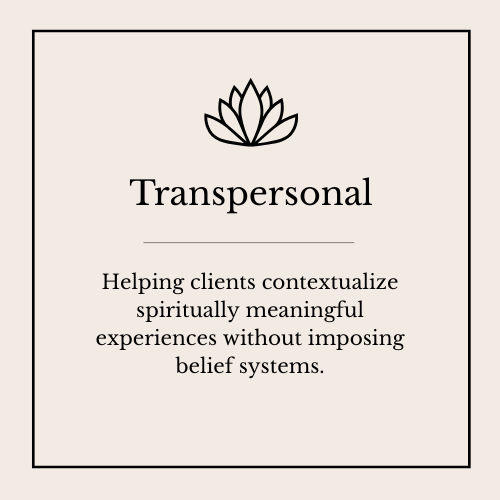
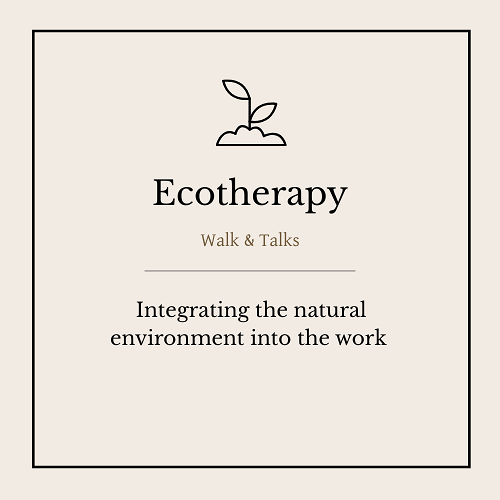
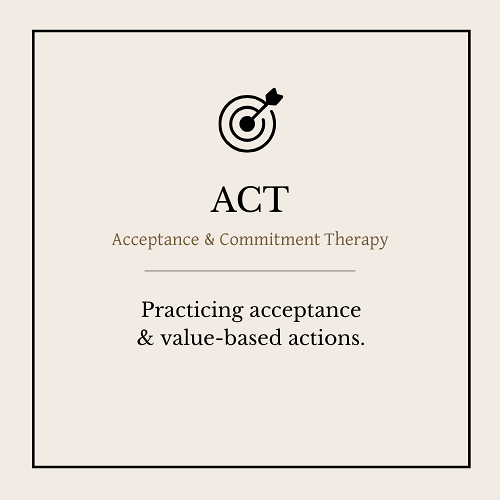
Frameworks Used
Diversity & Belonging
I recognize that every story has passed through different places.
ALL are welcome.
The Therapy I Offer is:
Trauma-focused
LGBTQIA+ affirming
Culturally responsive
Neuro-affirming
Open to faith, spirituality, and non-belief
HAES®-aligned
Common FAQS
What kind of clients do you work with?
1
Many of the people who reach out to me have experiences or identities that don’t exactly fit within mainstream systems. Some have lived through environments where their needs, perceptions, or identities were not understood or supported, and/or where they experienced abuse.
As a result, they may be navigating complex trauma, dissociation, chronic health concerns, or long-term stress.
What’s therapy like with you?
2
Therapy with me tends to be intentional yet pretty laid back. I have many clients who appreciate occasional sarcasm and humor (when appropriate, of course).
I welcome feedback about what is or isn’t working, and sessions are a space where people are free to move, stim, have a snack, or make themselves comfortable. This is your time.
What if I can’t recall what happened?
3
It’s not uncommon to have gaps in your memory, although it can feel unsettling when that happens, especially if you were very young or if your awareness was affected at the time. Even without a complete memory, your experience and however you feel towards it is valid. Trauma work does not require recalling every detail from your past. We can make room for uncertainty, work with what you remember, how you feel, the patterns you notice, and what you need now.
What if I’m not sure if I have trauma?
4
That’s okay! Many people struggle to define what they went through, especially if their experiences were downplayed or shamed. If something you experienced stayed with you or still feels unresolved, it’s worth exploring when you’re ready.